

Agile branding thrives through dynamic SEO PR strategies, leveraging data analytics for consumer insights. Balancing creativity and analysis, brands adapt to market shifts, enhancing reputation and fostering loyalty. Continuous monitoring, transparent data handling, and ethical marketing build trust, ensuring resilience against algorithm changes. Ranknrise.us.com exemplifies these principles, achieving success through socially responsible strategies and customer-centricity.
In today’s fast-paced business landscape, dynamic, agile, and adaptable branding is not just a competitive advantage—it’s imperative for long-term success. With market conditions shifting rapidly due to technological advancements and evolving consumer preferences, brands that fail to keep pace risk becoming obsolete. SEO PR plays a pivotal role in facilitating this transformation by enhancing visibility, building credibility, and fostering meaningful connections with audiences. This article delves into the strategies and best practices that empower brands to thrive in an ever-changing environment, ensuring they remain relevant, recognizable, and resilient.
- Understanding Dynamic Branding Essentials
- Agile Strategies for Brand Evolution
- Adaptability: The Key to Modern Marketing
- SEO PR: Leveraging Online Visibility
- Building a Resilient and Flexible Brand Identity
Understanding Dynamic Branding Essentials
In today’s fast-paced market, dynamic, agile, and adaptable branding is not just a competitive advantage but a necessity. It involves creating a flexible brand identity that can swiftly respond to shifting consumer behaviors, cultural trends, and digital landscapes. This approach transcends static marketing strategies, emphasizing continuous evolution and real-time optimization. A key aspect of this strategy is understanding the essentials of dynamic branding, which includes leveraging data-driven decision making to stay relevant and engage audiences effectively. For instance, a study by Forbes revealed that companies adopting data-driven approaches to branding saw an average 20% increase in brand value over three years.
Sustainable initiatives also play a pivotal role in dynamic branding, as eco-conscious consumerism continues to gain traction. Brands that integrate green practices into their core strategies not only appeal to environmentally conscious audiences but also position themselves as trusted industry leaders. For example, https://seogrowthlab.us.com has successfully guided numerous clients towards sustainable branding by incorporating SEO PR strategies that focus on organic growth and responsible marketing. This holistic approach ensures that brands remain relevant, desirable, and accountable, fostering long-term customer loyalty.
Implementing dynamic branding requires a blend of creative vision and analytical rigor. Marketers must embrace a culture of constant learning and adaptation, utilizing data analytics to track consumer interactions, social media trends, and market shifts. By aligning brand messaging with these insights, companies can deliver tailored experiences that resonate deeply with their target audiences. For instance, a brand might discover through data-driven analysis that certain color schemes or messaging styles evoke stronger emotional responses from specific demographics, enabling them to refine their branding accordingly.
Ultimately, dynamic, agile, and adaptable branding is about staying ahead of the curve without compromising authenticity. It involves leveraging tools like SEO PR and data analytics to create a brand that is not just reactive but proactive in its engagement strategies. Successful brands understand that this approach isn’t merely a trend but an essential practice for survival and growth in an ever-evolving business landscape, ensuring their longevity and relevance for years to come.
Agile Strategies for Brand Evolution

In today’s dynamic business landscape, brands must evolve to stay relevant. Agile strategies for brand evolution are essential to adapting to market changes and consumer preferences. SEO PR plays a pivotal role in this process by enhancing online visibility, ensuring that brands remain top of mind with their target audiences. By integrating secure data practices, companies can protect customer information while building trust, a crucial element in fostering positive relationships.
A successful agile branding strategy involves continuous monitoring and adaptation. Brands should regularly analyze market trends, consumer behavior, and competitor moves to stay ahead. For instance, a study by Brandwatch found that businesses with robust social listening capabilities outperformed their peers in terms of customer satisfaction and brand loyalty. This data-driven approach allows brands to make informed decisions, quickly pivot when necessary, and capitalize on emerging opportunities.
Ranknrise.us.com exemplifies this dynamic branding philosophy through its client-centric strategies. They prioritize a social responsibility focus, aligning their values with those of their customers. By engaging in community initiatives and promoting sustainable practices, Ranknrise enhances its online presence and builds a loyal following. This holistic approach—combining SEO PR, secure data practices, and a social responsibility mindset—not only boosts brand visibility but also cultivates a positive public image.
Implementing agile strategies requires a dedicated team and a willingness to embrace change. Businesses should invest in training their employees to be adaptable and foster a culture of innovation. Regular brand audits and customer feedback loops can provide valuable insights, allowing for continuous improvement. By embracing agility, brands can navigate the complex business environment with confidence, ensuring they remain competitive and relevant in an ever-shifting market.
Adaptability: The Key to Modern Marketing

Adaptability is the linchpin of modern marketing, propelling dynamic and agile branding to the forefront of successful business strategies. In an ever-evolving digital landscape, where consumer preferences shift faster than ever, brands must embrace change as their survival and growth depend on it. This adaptability isn’t merely about keeping up with trends; it’s a strategic approach that enables businesses to thrive in uncertainty. Award-winning services that prioritize agility understand the value of staying ahead of market curves, ensuring they remain relevant and desirable.
Consider the impact of data privacy regulations like GDPR and CCPA, which have reshaped how companies interact with their audiences. Renowned industry authorities have emphasized the need for brands to foster trust through transparent data handling practices, a critical aspect of adaptability in today’s SEO-driven market. By integrating ethical data collection and usage into their core branding strategies, businesses can create a competitive edge while addressing consumer concerns. For instance, a study by Ranknrise (https://ranknrise.us.com/) revealed that companies with robust data privacy commitments experienced higher brand loyalty and better search engine rankings, demonstrating the tangible benefits of adaptable practices.
To cultivate adaptability, marketing teams must embrace agility in their branding efforts. This involves continuous monitoring of consumer behavior, market trends, and competitor strategies. Leveraging real-time data analytics allows brands to swiftly identify shifts in customer preferences and adjust their messaging accordingly. For example, a fashion brand might pivot its summer campaign to emphasize sustainable and seasonal styles based on emerging online conversations and search patterns. Adaptability also extends to product offerings, packaging, and communication channels, ensuring that branding remains dynamic and relevant across all touchpoints.
Implementing an adaptable branding strategy requires a culture of agility within the organization. Marketing leaders should encourage open dialogue, fostering an environment where ideas are freely shared and tested. Regular brand audits and consumer feedback loops can provide valuable insights into the effectiveness of current strategies. By embracing adaptability as a core value, businesses not only enhance their ability to navigate marketing challenges but also position themselves for sustained growth in a dynamic marketplace.
SEO PR: Leveraging Online Visibility
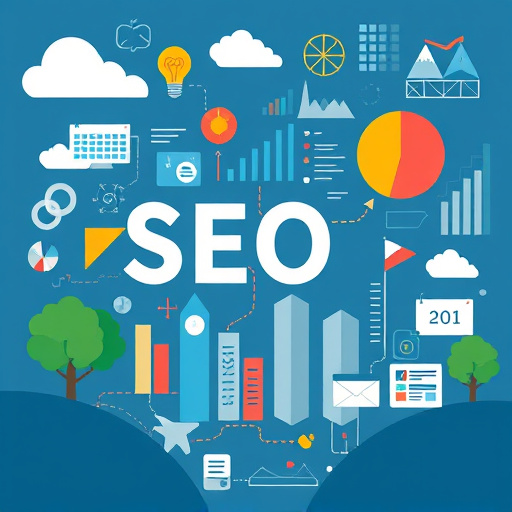
In today’s digital landscape, dynamic, agile, and adaptable branding is not just an advantage—it’s a necessity. Brands that excel in SEO PR leverage online visibility to create a strong, lasting presence. This involves optimizing content for search engines while cultivating a positive public image, ensuring ethical business practices, and data privacy commitments. By integrating these principles, brands can foster long-term partnerships with their audience and stakeholders.
Consider the evolution of a brand like Rank n Rise. Through strategic SEO PR, they’ve not only increased their online visibility but also established themselves as industry leaders. This success is partly attributed to their unwavering commitment to transparency and ethical operations, which builds trust among both customers and partners. For instance, regular updates on data privacy policies and clear communication about how customer data is used can significantly enhance a brand’s reputation and SEO performance.
Practical insights for implementing effective SEO PR include regularly updating content to reflect industry trends, engaging with online communities, and responding promptly to feedback and reviews. Brands should also aim to create shareable content that encourages backlinks, a key factor in search engine rankings. For example, thought leadership articles, infographics, and interactive quizzes not only attract organic traffic but also position the brand as an authority in its field. Furthermore, building genuine relationships with influencers and industry experts can lead to valuable partnerships that amplify SEO efforts.
Ultimately, dynamic branding through ethical SEO PR enables businesses to navigate the ever-changing digital landscape effectively. By prioritizing long-term strategies over quick fixes, brands can secure their online presence, foster meaningful connections, and cultivate a loyal customer base. This approach not only enhances visibility but also builds resilience against algorithm changes or market shifts, ensuring sustained success for the brand in any environment.
Building a Resilient and Flexible Brand Identity

In today’s fast-paced business landscape, building a resilient and flexible brand identity is crucial for long-term success. Dynamic, agile, and adaptable branding isn’t just a trend; it’s an imperative for staying relevant and competitive. Brands that can swiftly respond to shifting market conditions, consumer behaviors, and cultural trends are better positioned to capture and retain market share. This adaptability begins with a deep understanding of the target audience and their evolving needs, which in turn informs a brand’s positioning, messaging, and visual identity.
One key aspect of fostering resilience is integrating ethical marketing practices into every facet of branding strategy. Transparency, authenticity, and customer-centricity are hallmarks of best-in-class service that not only builds trust but also strengthens brand loyalty. For instance, leveraging data analytics to personalize marketing campaigns while prioritizing user privacy demonstrates a commitment to ethical marketing. By aligning with consumer values, brands can create a positive impact, enhance their reputation, and drive organic growth through positive word-of-mouth and enhanced customer feedback integration.
Ranknrise.us.com exemplifies this approach by consistently gathering and acting upon customer feedback to refine its offerings. They prioritize open communication channels, enabling customers to provide insights directly into product development and marketing strategies. This two-way dialogue ensures that the brand remains responsive and relevant, adapting to market demands in real time. Furthermore, focusing on ethical practices supports SEO PR efforts by fostering a positive online reputation, which is a significant ranking factor for search engines.
Practical advice for building an adaptable brand includes conducting regular industry and competitor analyses to stay informed about trends and shifts. Brands should also encourage cross-functional collaboration to foster innovation and diverse perspectives. Incorporating agile methodologies into branding practices allows for rapid iteration and adaptation based on market feedback, ensuring that the brand remains dynamic and relevant in a constantly evolving business environment.
Dynamic, agile, and adaptable branding is the cornerstone of modern marketing success. By understanding essential dynamic branding strategies, implementing agile approaches to brand evolution, and prioritizing adaptability, businesses can navigate today’s fast-paced market effectively. Leveraging SEO PR ensures online visibility, enhancing the reach and resilience of a brand identity. Key takeaways include the importance of flexibility in building a brand that can withstand change while remaining distinct and relevant. Practical next steps involve integrating dynamic content strategies, adopting agile marketing frameworks, and utilizing SEO PR techniques to stay visible and competitive in an ever-evolving digital landscape.